

Securing Web Design: a Cybersecurity Guide for Developers
Date: 2024-04-23 || Views: 1,796

Integrating Cybersecurity Best Practices into Website Design: A Guide for Developers
In the digital age, cybersecurity is a foundational element of website design, not just an afterthought. This article provides a comprehensive guide for developers on how to integrate essential cybersecurity best practices into website design to ensure robust protection from the outset.
The Importance of Cybersecurity in Web Design
Cybersecurity is critical to protect sensitive data, maintain user trust, and comply with regulatory requirements. A breach can result in severe financial and reputational damage, making security a crucial consideration from the initial stages of website development.
Key Cybersecurity Best Practices for Web Developers
1. Secure Coding Practices
Input Validation: Ensure all inputs are validated to prevent SQL injection and other attacks.
Error Handling: Implement secure error handling that does not expose sensitive system information.
Regular Code Audits: Conduct regular code reviews and audits to identify and mitigate vulnerabilities.
2. Data Encryption
In Transit: Use SSL/TLS to secure data as it moves between the server and client.
At Rest: Encrypt sensitive data stored in databases and other storage solutions.
3. Authentication and Authorization
Strong Authentication Mechanisms: Use multi-factor authentication (MFA) to enhance login security.
Role-Based Access Control (RBAC): Ensure users have access only to the resources necessary for their roles.
4. Regular Security Updates and Patch Management
Stay current with the latest security patches for all software and third-party services used on the website.
5. Cross-Site Scripting (XSS) and Cross-Site Request Forgery (CSRF) Protection
Implement measures to protect against XSS and CSRF attacks, such as proper sanitization of user inputs and use of anti-CSRF tokens.
Integrating Security into the Design Process
Threat Modeling: Begin with threat modeling to understand potential security threats and how to address them in design.
Security by Design: Incorporate security features at every stage of the website development process.
User Education: Design interfaces that guide users in secure practices, such as alerting them to the risks of weak passwords.
Testing and Maintenance
Penetration Testing: Regularly perform penetration testing to identify and fix security vulnerabilities.
Continuous Monitoring: Implement continuous monitoring tools to detect and respond to security incidents in real time.
Integrating cybersecurity best practices into website design is not merely a technical requirement but a business imperative. By embedding security into the foundation of a website, developers can not only protect their projects but also build trust with their audience, ensuring a safer web for everyone.

Discover how to enhance user interaction on your WordPress site...


Discover how the metaverse is transforming freelance work with virtual...
Glimpses of Greatness Crafted by Katorymnd
Dive into the journeys of clients I've empowered.
Click any project below to explore the results - each one a story of transformation.
pawaPay Java SDK - Payment Integration


pawaPay Java SDK: Seamless enterprise mobile money integration for Java applications. Features robust typing, thread-safe execution, and reliable transaction handling.
pawaPay Python SDK - Payment Integration
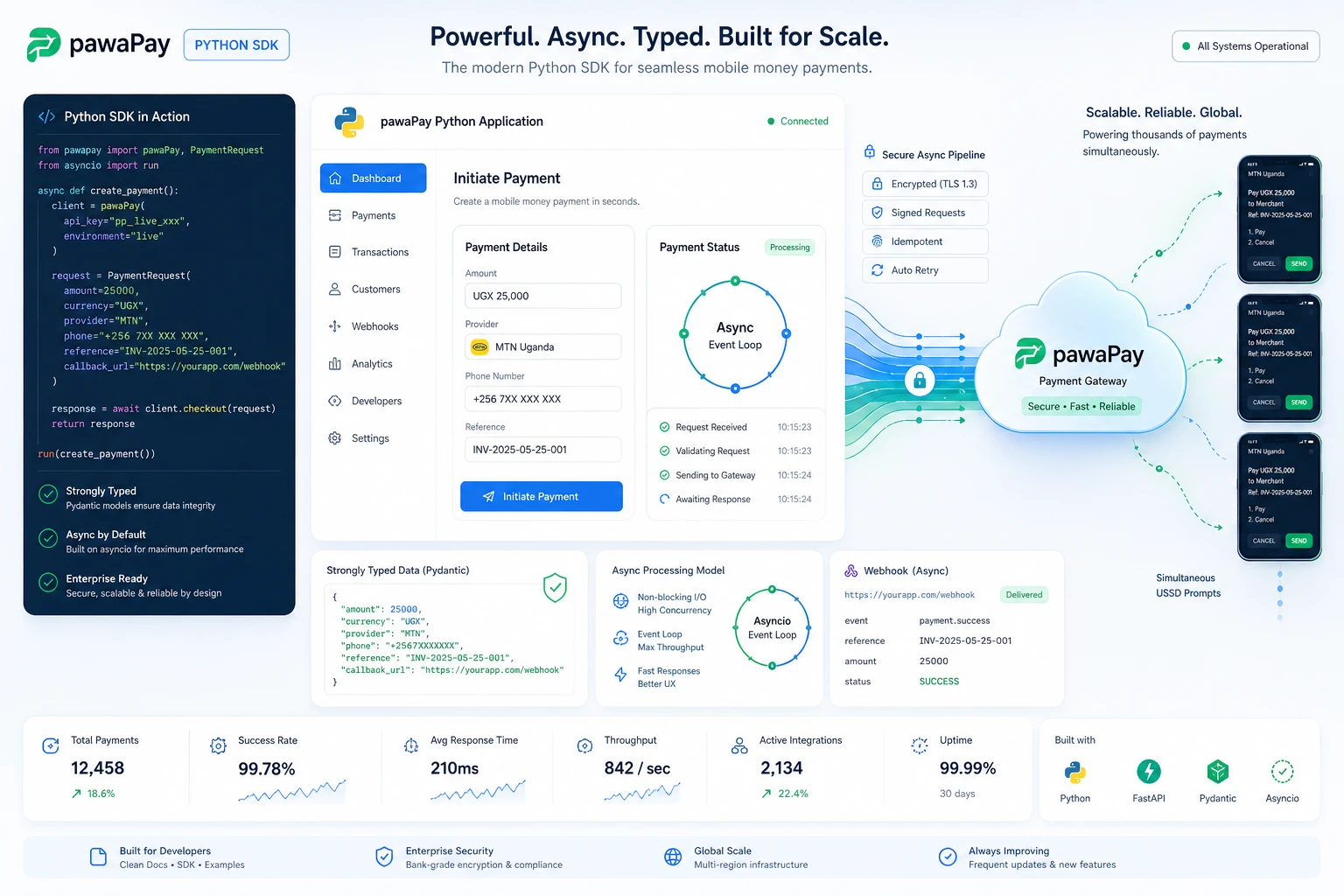
pawaPay Python SDK: Seamless enterprise mobile money integration for Python applications. Features robust typing and asynchronous transaction handling.
pawaPay Node.js SDK, Payments

pawaPay Node.js SDK: Enterprise mobile money integration for Node.js & TypeScript. Strictly typed, async wrapper with simple domain-based licensing.
Clean My Mind - A Quiet Release

A privacy-first web ritual, no signup, say one sentence and let it go. Built with vanilla JavaScript, local-only storage, and focused on presence rather than analytics.
Professional Services
© Copyright 2026 - Katorymnd Web Solutions - All Rights Reserved. Registered with Uganda Registration Services Bureau.