

Mastering Structured Data: Elevate Your Search Visibility
Date: 2024-02-24 || Views: 1,226

Boost Search Visibility with Structured Data Mastery
In today’s digital marketing landscape, gaining a competitive edge in search engine rankings is paramount. Structured data and schema markup are powerful tools in this quest, enhancing search visibility by providing clear context to search engines about the content on your website. This context will introduce structured data and schema markup, elucidating how they can be strategically employed to optimize your site for search engines with a focus on both informative and commercial intents.
Understanding Structured Data and Schema Markup
Structured data is a standardized format for providing information about a page and classifying the page content. Schema markup is a vocabulary of structured data used to annotate and organize information on the web. This markup tells search engines what your data means, not just what it says, allowing for more intelligent and relevant search results.
The Importance of Structured Data for Search Visibility
Enhanced Search Results: Structured data can lead to the generation of rich snippets, which are enhanced search listings featuring additional information like images, ratings, and more. This not only makes your listing more appealing but also can significantly improve click-through rates.
Improved Content Understanding: By providing search engines with explicit clues about the meaning of a page, structured data helps to accurately index and understand your site's content, which can positively affect its visibility.
Support for Voice Search: As voice search becomes more prevalent, structured data helps voice search algorithms to understand and retrieve your content, making it more likely to be featured in voice search results.
Implementing Structured Data and Schema Markup
Choose the Right Schema: Identify the most relevant schema.org vocabulary for your content. Whether it’s for articles, products, events, or recipes, selecting the right schema is crucial.
Use Google’s Structured Data Markup Helper: This tool can simplify the process of creating structured data markup. Simply select your data type, paste it into the URL of the page, and start tagging your content.
Test Your Markup with Google's Structured Data Testing Tool: Before publishing, it's important to test your markup to ensure it's correctly implemented. This can help avoid errors that might impact your search visibility.
Monitor Performance with Google Search Console: After implementation, use Google Search Console to monitor how your pages perform in search results and see how users are interacting with your rich snippets.
Examples and Best Practices
E-commerce Product Pages: Use Product schema to provide details such as price, availability, and reviews, enhancing the appearance of your product listings in search results.
Local Businesses: Implement LocalBusiness schema to highlight essential information like location, hours of operation, and contact details, making your business more visible in local search queries.
Events: Utilize Event schema to display key event details directly in search results, such as date, location, and ticket availability, increasing the likelihood of attendance.
Structured data and schema markup are indispensable for anyone looking to improve their website’s search visibility. By effectively implementing structured data, you not only make your content more understandable to search engines but also enhance the user experience with more informative search results. Begin integrating structured data into your SEO strategy today to unlock the full potential of your online presence and drive more targeted traffic to your site.

Discover how the metaverse is transforming freelance work with virtual...
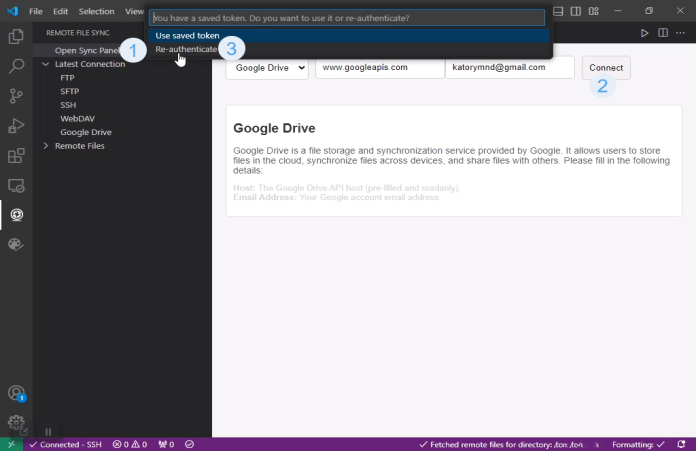

Glimpses of Greatness Crafted by Katorymnd
Dive into the journeys of clients I've empowered.
Click any project below to explore the results - each one a story of transformation.
pawaPay Java SDK - Payment Integration


pawaPay Java SDK: Seamless enterprise mobile money integration for Java applications. Features robust typing, thread-safe execution, and reliable transaction handling.
pawaPay Python SDK - Payment Integration
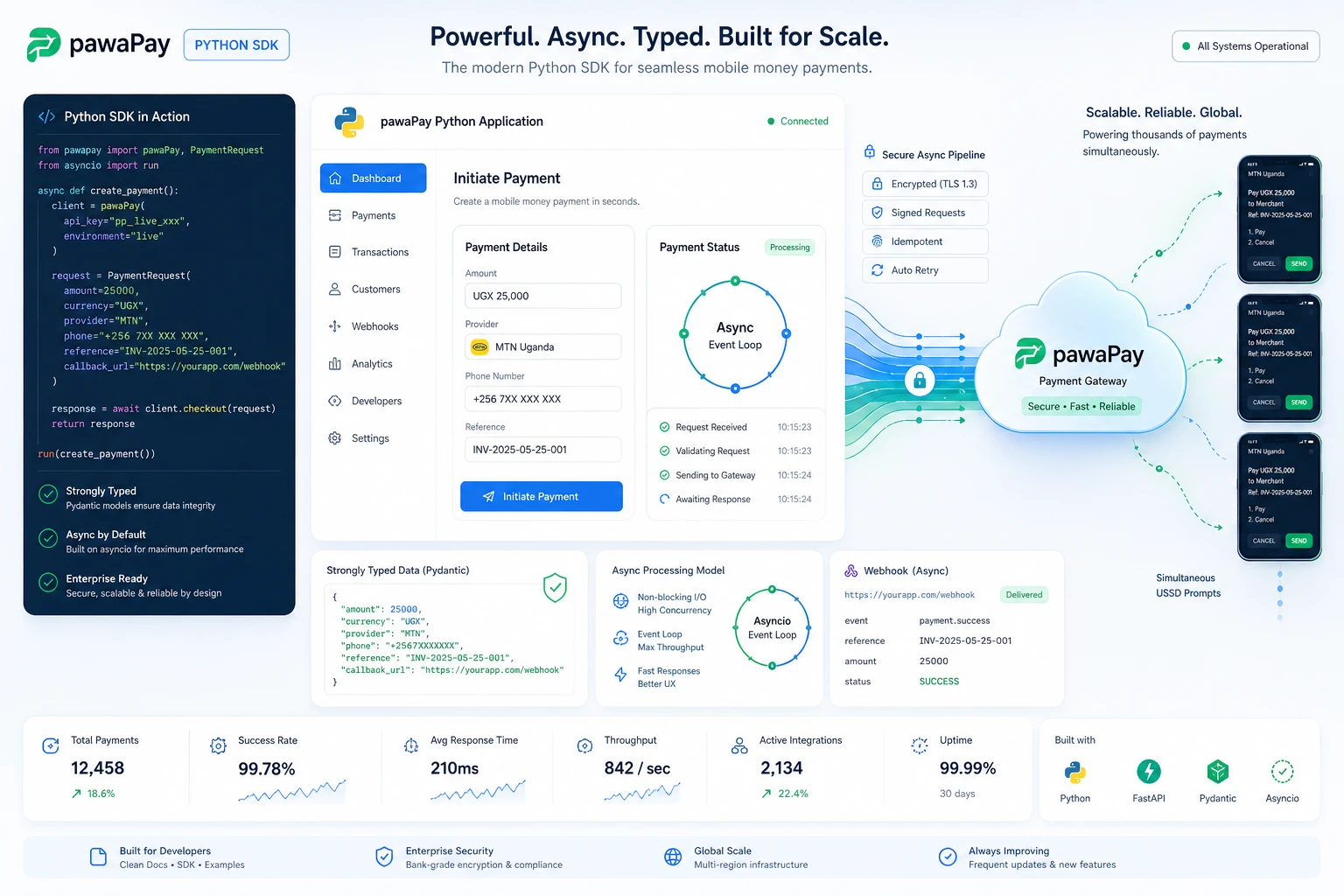
pawaPay Python SDK: Seamless enterprise mobile money integration for Python applications. Features robust typing and asynchronous transaction handling.
pawaPay Node.js SDK, Payments
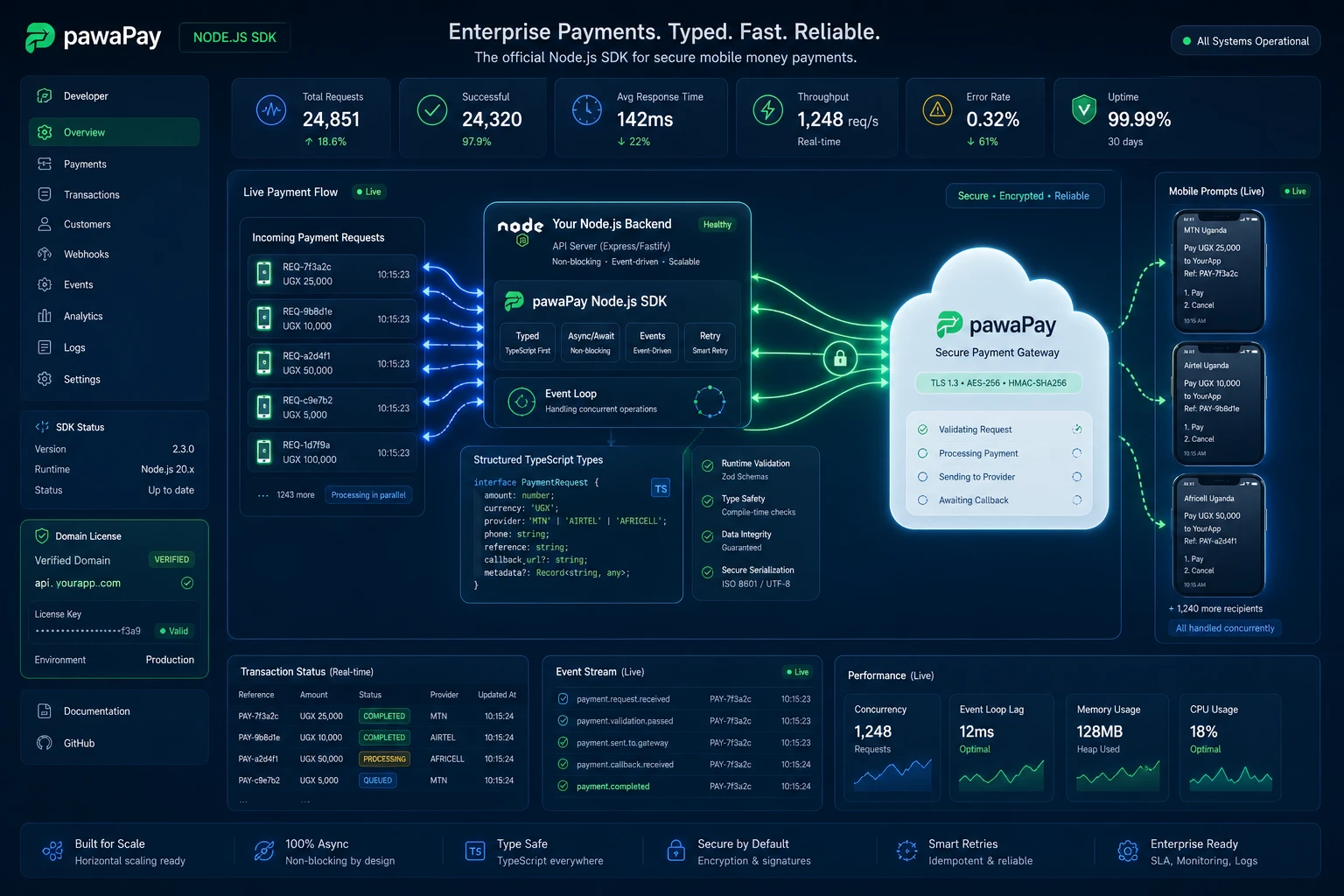
pawaPay Node.js SDK: Enterprise mobile money integration for Node.js & TypeScript. Strictly typed, async wrapper with simple domain-based licensing.
Clean My Mind - A Quiet Release

A privacy-first web ritual, no signup, say one sentence and let it go. Built with vanilla JavaScript, local-only storage, and focused on presence rather than analytics.
Professional Services
© Copyright 2026 - Katorymnd Web Solutions - All Rights Reserved. Registered with Uganda Registration Services Bureau.